The website can make choosing a photograph feel simple, but the finished object involves several distinct decisions. There is the image itself, its approved crop, the physical print, the mount, the frame and the way the completed piece reaches you. A clear process brings those decisions together without asking you to understand every production detail before you have even chosen a view.
Bearsted Gallery begins with an enquiry rather than an immediate payment. That gives space to confirm the final specification and availability before a commitment is made. This article describes the selection and enquiry process, plus the production details to confirm before purchase. The live website sends your request to the gallery; it does not take payment or turn the enquiry into an order.
The photograph comes with a record
An original local image should have more than a descriptive title. The gallery needs to know who made it, what it depicts, which source file is used and what rights support its intended use. Where capture date and location details are available, they should be recorded accurately rather than reconstructed from appearance.
This information supports both the public caption and the production process. It helps avoid confusing similar views, attaching the wrong location to an image or offering a version that has not been approved for printing. A reliable catalogue can remain simple for the customer because those records are maintained behind the scenes.
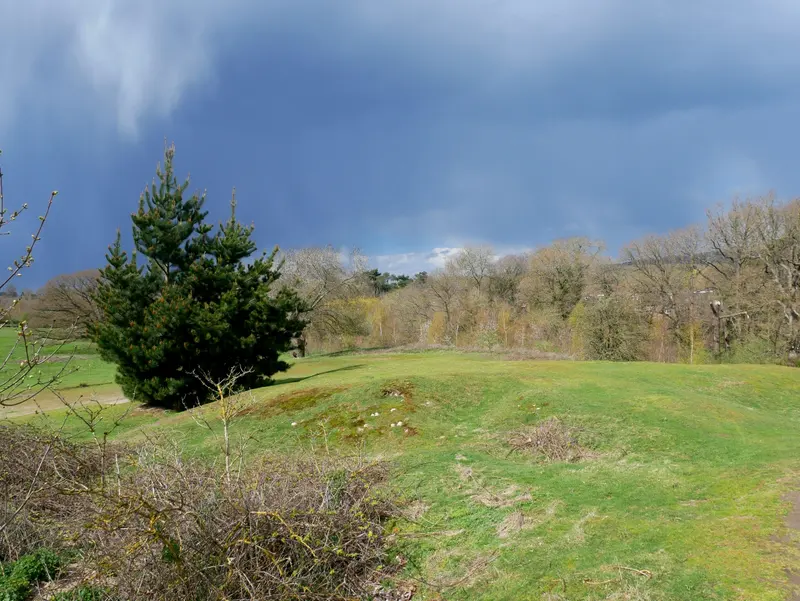
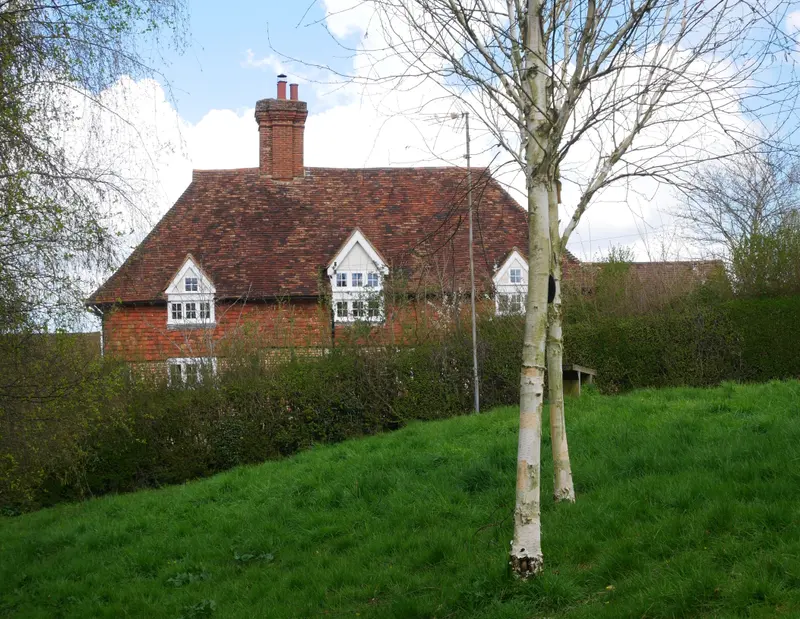
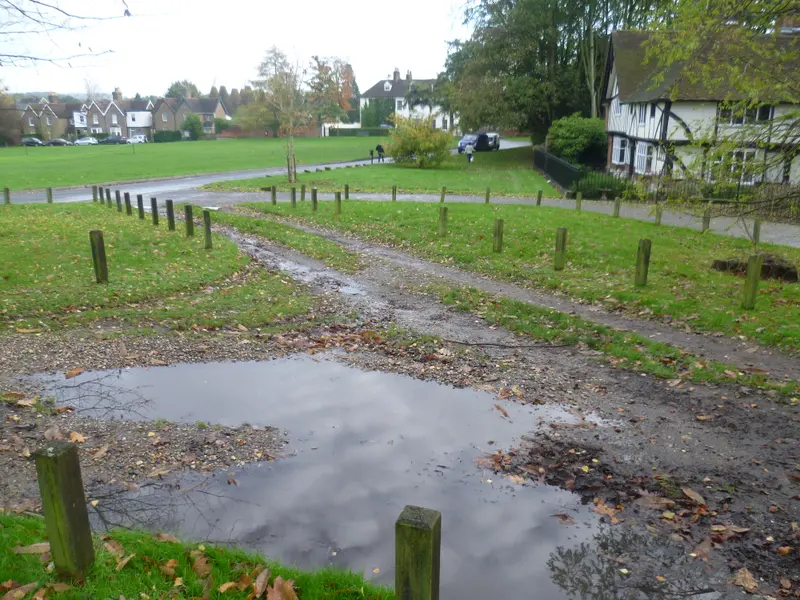
The current preview uses openly credited reference photographs and clearly identified generated illustrations. They demonstrate the experience, but they are not presented as a commissioned sale-ready collection. Before launch, every offered artwork needs a final source, an accurate credit and confirmed rights appropriate to the actual physical product and its promotion.
The crop is part of the artwork
After choosing a shape and size, you see the version of the photograph intended for that shape. This should be an approved crop rather than an arbitrary centre cut performed at the last moment. A wide landscape may depend on details at both edges, while a woodland photograph may support several different compositions.
The selected crop needs to remain consistent through the frame preview, enquiry summary and production instructions. If the shape changes, the system checks whether the photograph has a compatible version. Where it does not, you are asked to choose another image rather than silently losing part of the scene you selected.
This is a small but important distinction between selling an image file and preparing a framed photograph. The physical boundary is part of what you are choosing. A final quote should therefore identify the image and its dimensions clearly enough that both customer and supplier are discussing the same object.
Printing needs a confirmed specification
The appearance of a digital photograph does not establish how it will be printed. Paper, printing method, colour handling and the source file all contribute to the result. Before offering a live product, the gallery needs a tested specification and a practical way to review whether the image works at the proposed size.
For the customer, the useful information is not an overwhelming list of technical terms. It is a clear account of what is supplied, how the print is presented and which claims have been verified. If a particular paper, process or quality standard is named, it should describe the actual product rather than a possible future option.
The preview’s prices are therefore estimates. They provide a way to compare the intended size range, but they do not establish a supplier cost, margin or finished specification. A live quote must connect the price to the confirmed object, including anything that affects the final total or requires a separate choice.
Mount and frame turn the image into an object
The mount creates space around the photograph. The frame establishes the outer boundary, while glazing, backing and hanging fittings contribute to the practical finished piece. These elements should be considered together because changing one can affect the outer dimensions, weight or appearance of the complete frame.
Our sample size model uses a consistent border around the image and three illustrative finishes. It is intentionally straightforward, making it easier to compare choices. The production specification still needs to identify the actual materials and profile. “Natural oak,” “soft black” and “chalk white” are visual directions in the preview, not complete manufacturing descriptions.
If an alternative size or finish is requested, it should be treated as a question to check rather than a guaranteed option. The enquiry message gives you a place to describe the need. A useful reply explains what is possible and how the change affects the dimensions, price or timing before asking you to proceed.
The enquiry brings your choices together
The final step summarises the photograph, crop, size, outer frame and finish. You can return to any earlier choice before submitting. The required contact details are a name and email address, with optional space for a town or postcode and a message. There is no need for card details or an account at this stage.
On the live website, a receipt appears after the form service acknowledges the request. If delivery fails or times out, the page explains the problem and retains your details while you remain in the flow. Keep your selection and reference if you need to follow up; a receipt confirms an enquiry, not a production booking.
You can review the complete selection before submitting and mention a preferred date or an unanswered question in the message. You do not need to solve every product detail in advance. The enquiry brings the visual choices together so the next conversation can focus on availability, materials and the practical requirements.
The quote comes before the commitment
The intended next step is a human reply confirming availability, the final specification, the price and delivery options. If you mentioned a gift date, unusual size or several prints, those details should be addressed in the response. The purpose of the conversation is to remove uncertainty, not simply repeat the provisional website summary.
Before accepting real orders, the business also needs clear payment, cancellation, fulfilment and returns information appropriate to its operating model. Ask for those terms alongside the quote before agreeing to a purchase. Sending the form does not accept a payment obligation or establish a delivery date.
Keep the written quote and reference with the final product information. They provide a shared record of what was agreed and make later questions easier to resolve. The website should support that clarity from the first click: an accurately described image, considered choices and an honest distinction between an enquiry and an order.
Use the enquiry to resolve the remaining choices
Before submitting, check the complete combination once more: the place, the crop, the image dimensions, the outer frame and the finish. If the picture is for a particular wall, keep the measurements nearby. If it is a gift, mention the occasion and the date needed, without assuming a turnaround has already been agreed.
You can explore the photographs or create a framed-print preview. Work through the choices at your own pace and use the message for anything that the standard options do not explain. The current collection is developing, so availability and the physical specification remain matters for a confirmed reply rather than assumptions based on a screen image.
The enquiry is live; the physical print and framing arrangements are confirmed separately. No workshop, manufacturing location, material certification or guaranteed turnaround is implied by this guide. See image credits, framing and sizes and help for the current preview’s limits.
A place for your wall.
Explore the collection, then choose a size and finish at your own pace.