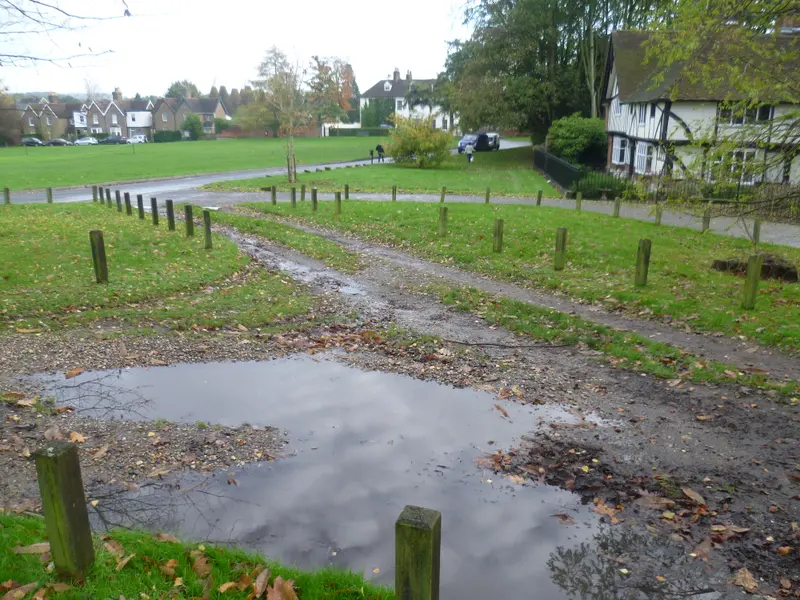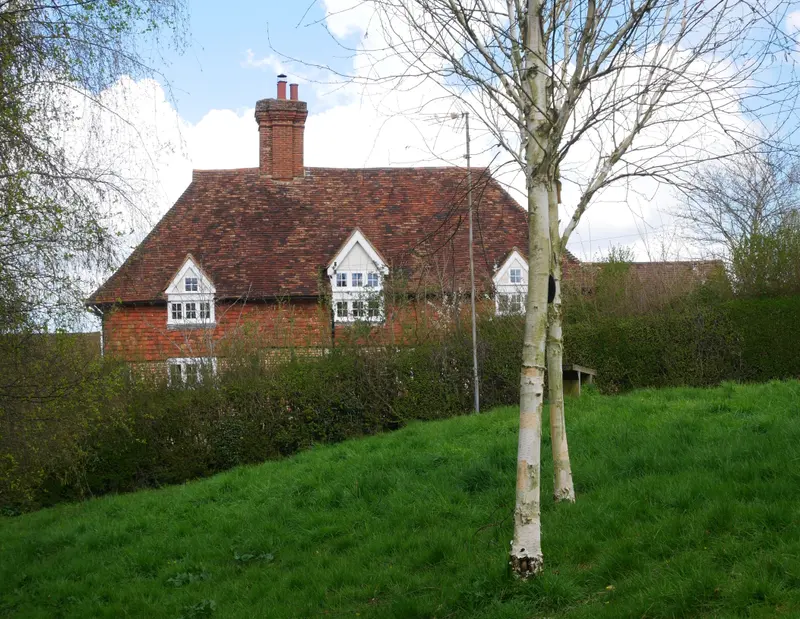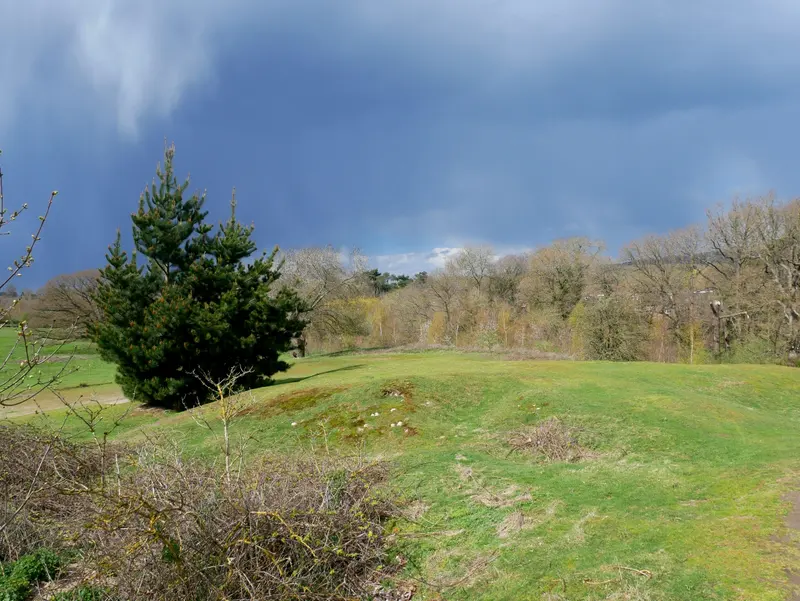
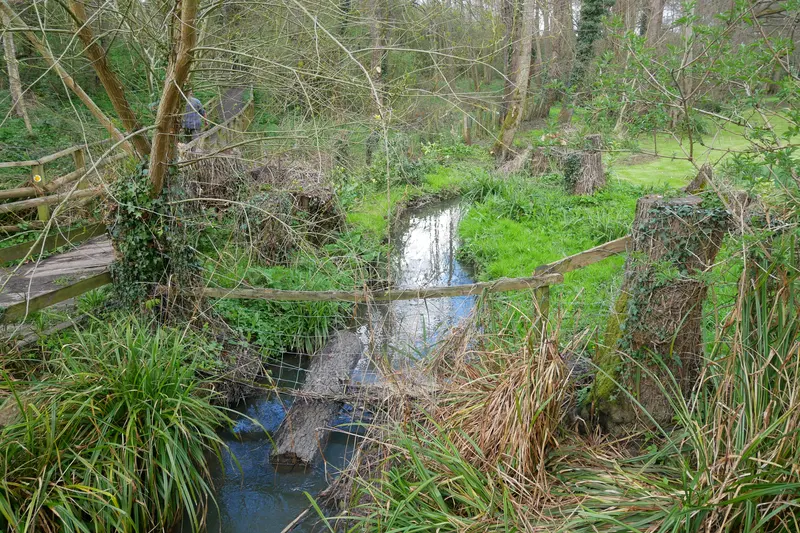
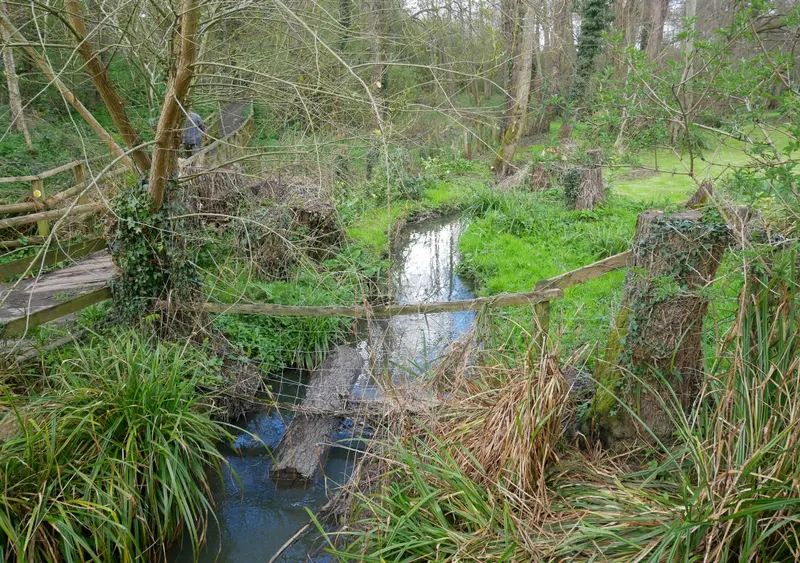
Landscape
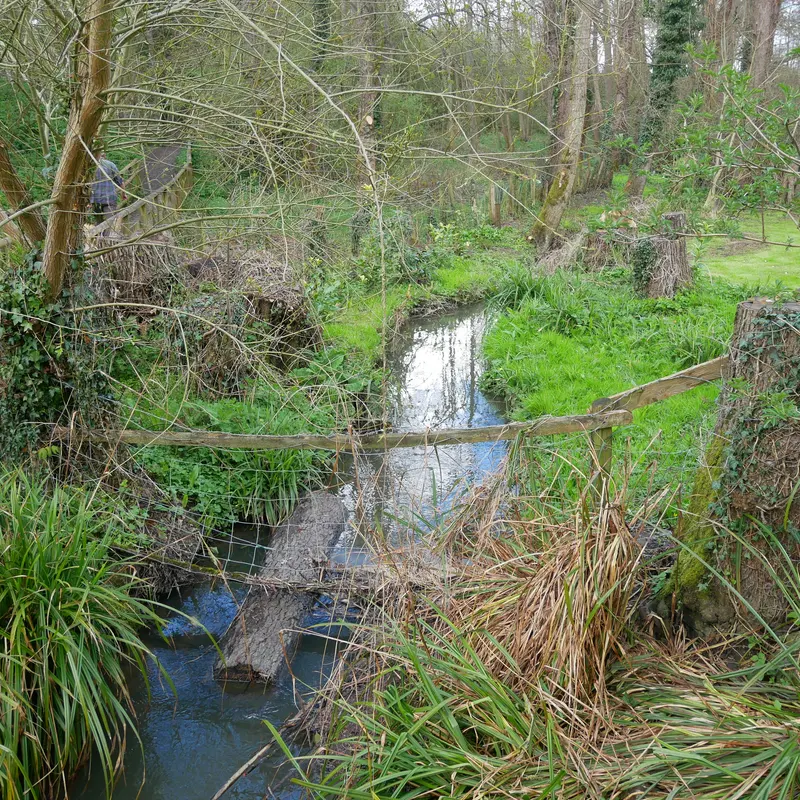
Square
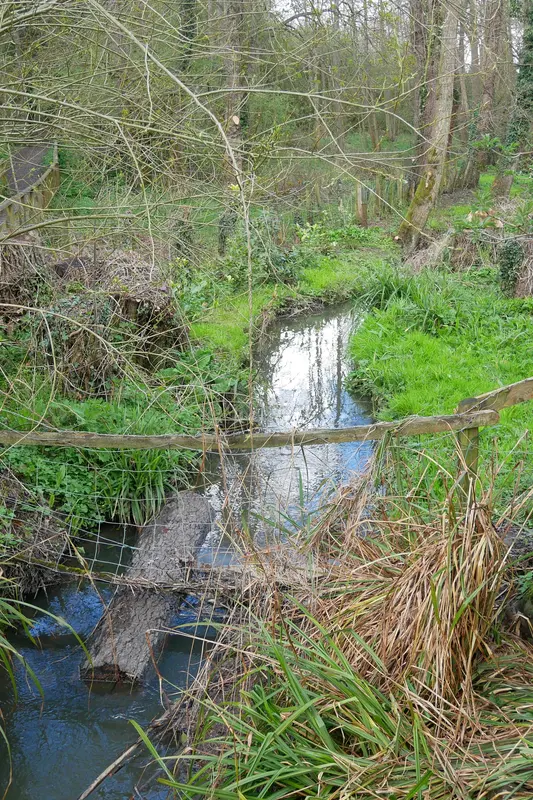
Portrait
Choosing a shape is not just a way to make a frame fit a wall. It also decides which parts of a photograph remain inside the picture. A landscape, square and portrait version of the same scene can have different centres of attention, different amounts of breathing space and a different sense of movement.
That is why the gallery shows the actual crop before you choose the frame. The shape is part of the composition. Some photographs support several versions; others are stronger in one or two. A considered catalogue should make those decisions explicit rather than assuming that every image can be cut into every available format without changing what makes it work.
Understand the ratio before the measurement
A ratio describes the relationship between width and height. A three-to-two landscape image is one and a half times as wide as it is tall. A two-to-three portrait reverses that relationship. A square has equal sides. The ratio tells you the shape, while the dimensions tell you the physical size.
This distinction is useful when comparing options. A 30 by 20 centimetre photograph and a 60 by 40 centimetre photograph have the same ratio, even though their scale differs considerably. Their composition can remain consistent. Changing from a 45 by 30 centimetre image to a 35 centimetre square changes both the dimensions and the boundary of the picture.
The outer frame has its own dimensions because the mount and frame add space around the image. Its proportions will not be identical to the image ratio when an equal border is added on every side. Use the printed image to understand the crop, and the outer measurement to plan the wall.
Landscape gives the eye room to travel
A horizontal format can support a scene with a broad horizon, a sequence of buildings or movement across the picture. It often allows the relationship between several features to remain visible. The viewer has room to move from one side to the other before returning to the centre.
This does not mean landscape is only for distant views. A close photograph of a stream or a section of woodland may also rely on a horizontal relationship. The subject matters less than the way the composition is organised. Look for features near the edges that help explain the scene rather than dismissing them as empty space.
When considering a narrower crop, ask what those edges contribute. They might balance the main subject, establish where a path leads, or give a tree enough room to feel complete. If the image becomes cramped when they are removed, the wider format may be the reason the photograph appealed to you in the first place.
Portrait draws attention differently
A vertical format can emphasise height, depth or a sequence from foreground to background. Trees, narrow routes and certain architectural details may work naturally in this shape. A portrait crop can also create a more intimate picture by excluding surrounding context and concentrating attention on a smaller part of the scene.
The effect is not always simply “closer.” Removing the sides can change the route your eye takes through the photograph. A previously secondary feature may become the subject. That can be effective, but it needs to be reviewed as a new composition rather than treated as a technical resize.
Our sample catalogue includes fewer portrait options because several reference images depend on a broad view. This is intentional. If you choose portrait in the configurator, the photograph step only shows compatible crops. You can then choose from images that support the format, or return to landscape if a particular view matters more than the initial shape preference.
Square can create a more contained picture
A square gives equal weight to width and height. It can make a composition feel contained and balanced, especially when the subject has a clear centre or an arrangement of forms that works within equal sides. It can also make off-centre subjects more noticeable because the surrounding space is redistributed.
A square crop is not automatically calm or symmetrical. It can hold a complex woodland scene or a strong diagonal movement. The important question is how the elements relate to the new boundary. Look at bright areas, branches and the horizon after the crop, not only at the main subject.
For a group of pictures, a shared square format can make the outside arrangement simpler. The individual photographs still need to work on their own. Choosing matching frames does not repair an awkward crop. If one image feels forced into the shape, it may be better to choose a different photograph or allow the group to contain more than one format.
Check the edges deliberately
When viewing a crop, most people look first at the main subject. Spend a moment checking the edges as well. Are important features clipped in a distracting way? Is there a small bright patch pulling attention out of the frame? Does a line seem to end without a reason? These are practical observations you can make without knowing formal photographic terminology.
Also compare what has disappeared. An image may remain attractive while losing the feature that made it personally meaningful. For a local photograph, that could be a building, path or detail at the side. A crop that works as an abstract landscape might no longer function as the reminder of a particular place you wanted.
The final crop should be visible throughout the rest of the journey. The frame preview and enquiry summary should show the same version you selected. This consistency matters more than offering a large number of options, because it lets you make a decision with confidence about what the finished image is intended to include.
Change your mind without losing the thread
It is normal to reconsider the shape after seeing the photographs. The best process makes that easy. Return to the size step, compare the alternatives and keep the compatible choices. If the selected image has no approved version in the new shape, the gallery explains why another photograph is needed.
That small interruption is useful. It avoids silently replacing a carefully chosen crop with an automatic cut. The image remains a creative decision, while the form handles the practical details. Your size and frame preferences can still provide a starting point for the next choice.
Begin with the space you have, but remain open to what the photograph needs. The configuration journey lets you work through one decision at a time. A successful result is not merely a frame that fits: it is a photograph whose shape, scale and finish support the connection that drew you to it.
Crop and production notes
The current crops are explicit demonstration crops of credited reference images. They need photographer or production approval for the final offered collection. Compare the displayed crop through the photograph, frame and enquiry steps, and make sure the confirmed product will preserve the view you chose. Physical print, mount and frame specifications remain provisional. See framing and sizes and image credits for the current options, then confirm the final specification through enquiry. Our mount guide explains how the visible opening and outer frame relate to that crop.
A place for your wall.
Explore the collection, then choose a size and finish at your own pace.