Spring is a useful season for a small photography project because the subject can be change itself. You do not need a famous display or a long journey. A leaf, a branch or a familiar view that looks different on a return visit can provide enough material for a thoughtful set of photographs around Bearsted.
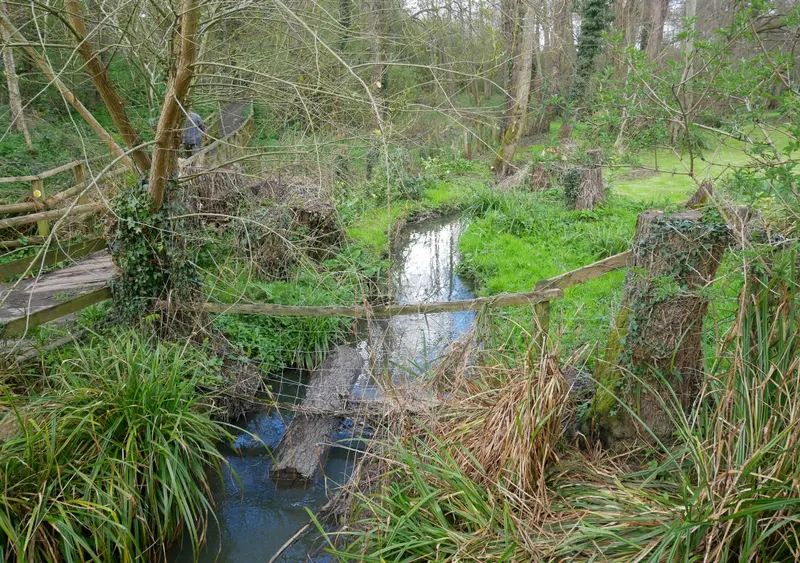
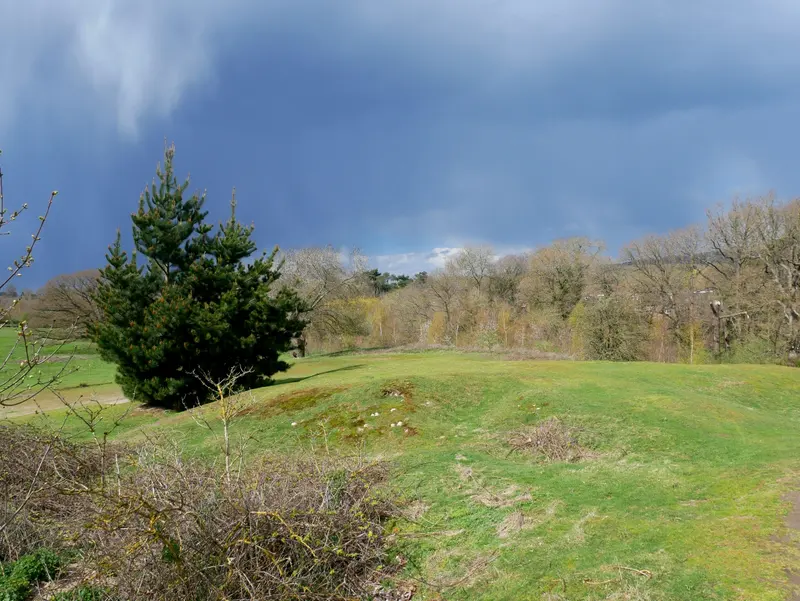
Rather than promising particular flowers at a particular time, this guide offers exercises that work with what is actually present. The local reference photographs illustrate settings for looking; they do not establish the season in which you should visit or show a verified current display. Use your own observations to decide what the project becomes.
Pick a subject you can revisit
Choose a publicly accessible place that fits naturally into your routine or a manageable outing. The easier it is to return, the less pressure there is for one visit to produce the perfect photograph. A familiar route can reveal more through repeated attention than an ambitious trip you only make once.
Select one kind of change to notice: the shape of a canopy, the amount of light reaching a path or the relationship between new growth and older branches. A narrow question makes it easier to compare photographs later. “Everything about spring” is too broad to guide a useful composition.
Write a brief note about the camera position and framing, without recording anything private or entering restricted areas. The note helps you make a comparable picture next time. Exact repetition is not essential, but knowing what you intended makes the differences more meaningful.
Let the background do less work
Small subjects are often lost against complicated backgrounds. Before moving closer, look behind the leaf or branch that interests you. A bright gap, strong line or patch of similar colour may compete with it. Changing your angle from a permitted position can improve the photograph more than changing a camera setting.
Try placing the subject against a relatively even area, then decide how much context to include. A very close view may become an abstract arrangement of colour. A slightly wider view can explain how the new growth belongs to the plant and setting. Both are worthwhile if the choice is deliberate.
Avoid pulling stems into position or clearing surrounding vegetation. For this exercise, the task is to discover a composition within the scene as it is. If the background cannot be simplified without disturbance, choose another subject or make the complexity part of the picture.
Check focus on the detail that matters
When photographing something small, focus can be the difference between a clear subject and a vague patch of colour. On a phone, tap the part you want to appear sharp and check the resulting image. Moving too close may exceed the camera's ability to focus, so step back if the detail remains blurred.
With a camera, consider how much of the subject needs to be sharp. A shallow area of focus can isolate one detail, but it may also hide the feature you intended to show. Take a second version with a little more depth if you are unsure, then compare them at a useful size.
Watch for movement. A branch may appear still until you frame it closely, when even a slight breeze becomes visible. Wait for a quieter moment if it comes naturally, or choose a broader composition that does not depend on a tiny detail remaining perfectly stationary.
Use light to describe rather than decorate
Soft light can reveal delicate colour and fine surfaces without strong shadows. Light passing through a leaf can emphasise a different quality, making the subject feel brighter and more translucent. Choose the condition that helps explain what you noticed rather than assuming one type of light is always superior.
Check the brightest areas after taking the photograph. A small pale subject can lose detail if the camera prioritises a darker background. Try a modest exposure adjustment and compare. Keep enough information in the main subject for the texture or colour relationship to remain visible.
If the available light does not suit a close study, turn to the wider setting. A spring project can include a photograph of changing space or shadow as well as new growth. This flexibility makes the outing useful without depending on a particular flower or an ideal patch of sunshine.
Make captions as carefully as photographs
Do not identify a species from a quick impression if you are uncertain. A caption describing visible fresh leaves or a flowering branch can be accurate without naming the plant. If identification matters to your project, confirm it using a reliable reference and make sure the details in your photograph support the match.
Record the capture date where available and distinguish it from the date you edited or shared the image. Avoid presenting a photograph from an earlier year as evidence of current conditions. This is especially useful when people may use your pictures to decide when to visit a place.
A simple caption can contain three things: the location at an appropriate level of detail, the date and what you were studying. It does not need an invented anecdote about discovering a hidden place. Ordinary observations are enough when they are specific and honest.
Fit the project around the living place
Keep to suitable paths and respect boundaries, whether you are in a village setting or a managed green space. A close photograph should not require stepping into emerging vegetation. Be patient when other visitors use the area, and avoid obstructing narrow sections while adjusting the camera.
For a visit to Bearsted Woodland Trust, consult the Trust's current information and notices. Our visit-planning article explains what to check. The dated Trust newsletter offers background to its volunteer care, rather than a live guide to seasonal conditions.
You can also make the project in places you already pass regularly. Looking closely does not require finding somewhere undiscovered. A familiar tree seen from a public path can be an excellent subject precisely because you can observe it repeatedly without a complicated journey.
Turn repeat visits into a clear sequence
Choose a small number of photographs that show an actual difference. Place them in date order and keep the crops reasonably comparable if change is the subject. If one picture uses a much tighter view, explain its role as a detail rather than letting it imply a misleading comparison.
For a single print, choose the image that works best on its own, even if it is not the most informative record. A project photograph and a picture for a room have related but different jobs. Our shape guide can help you test whether a crop keeps the relationship that mattered.
If you prefer to view rather than make photographs, explore the woodland collection. The reference images offer different ways of looking at trees and water. Your own spring project may lead towards similar subjects, or towards a quieter detail that only became visible because you returned and looked again.
A place for your wall.
Explore the collection, then choose a size and finish at your own pace.