Bearsted has its own railway station, making a visit without a car an option worth considering. National Rail identifies the station on Ware Street and its operator as Southeastern. Start with the actual journey available on your chosen date, then build a village visit around it rather than assuming a fixed service pattern.
A satisfying day can be quite small: time around the Green, a few photographs and an optional further walk if the group and conditions suit it. This guide does not promise a particular train frequency, journey duration or connection. Those details belong to current rail information, while the shape of the day is yours to choose.
Check both journeys before choosing the outing
Search for the outward and return journeys together. An appealing arrival time can be less useful if the return options do not suit the length of visit you want. Look at a couple of possible returns so that you understand how much flexibility you have before making other arrangements.
Use Southeastern's Bearsted station information and the operator's journey planner for current details. Check planned works and disruption close to travel, not only when you first think of the trip. A route available in an older travel article may not describe the service running on your date.
Keep the chosen train details somewhere easy to retrieve, along with any ticket restrictions that affect your flexibility. The purpose is to avoid spending the last part of the visit trying to reconstruct the return plan from memory. A clear journey home leaves more space to enjoy the time in between.
Check station access for your own needs
Read the station information with a specific question in mind. If you use a wheelchair, have a pushchair, travel with luggage or need assistance, the relevant detail is how the station works for your direction of travel and requirements. A general statement about a station is less useful than the answer to your actual journey.
Contact the operator where you need clarification or assistance arrangements. Do not infer step-free access, staffing or facilities from a photograph of the station building. Those details can be direction-specific or change over time, and they deserve current information from the people running the service.
Allow enough time on arrival and departure to move comfortably. A short visit is not improved by making the station connection the most hurried part. If the timetable forces a rushed plan, choose a smaller outing or a different date rather than relying on everything going perfectly.
Orient yourself before leaving the station area
Have a map of the village available before you arrive. Locate the Green, your intended first stop and the station again, so that the return direction is clear from the beginning. Use suitable public routes and crossings rather than following a straight line towards a map pin.
For a first visit, avoid committing immediately to the farthest destination. Begin with the village and reassess once you have a sense of the day, weather and group's energy. This leaves room for a relaxed visit even if the train was delayed or the journey took more effort than expected.
If you are meeting someone, agree on a precise meeting point and what to do if one person is late. “Somewhere near the station” may be enough for friends who know the area, but it is less helpful for a first-time visitor carrying bags or looking after children.
Choose one main activity and one optional extra
A useful structure is to make the Green and village your main activity, then keep a woodland visit or another short exploration optional. Our first-visit guide suggests ways to notice the place without a rigid itinerary. You can finish feeling that the visit was complete even if you never use the extra option.
If woodland is the main reason for coming, reverse that priority and prepare using the Bearsted Woodland Trust visit guide. Check the current access information rather than assuming the nearest-looking entrance is the right one for you. Build the walk back to the station into the plan from the start.
Avoid treating Thurnham or an elevated viewpoint as a casual addition just because it appears nearby on a regional map. A longer countryside connection needs its own route and timing decisions. Our Bearsted to Thurnham planning article explains those choices without inventing a direct walking shortcut.
Travel light if photography is part of the day
A phone or a small camera is enough for a useful visual record. Choose a simple project before leaving: one broad village view, one detail and one image that captures the atmosphere. This reduces the temptation to carry equipment for every possible photograph and makes the train journey easier.
Keep tickets, water and any essentials accessible without unpacking the whole bag. If you stop for a photograph, move out of the flow of pedestrians and keep your belongings together. A relaxed approach is especially helpful when travelling with someone whose main interest is the visit rather than photography.
You can refine the pictures at home. The aim during the outing is to notice and record, not to complete a detailed editing session on a phone while the day passes around you. For practical capture advice, see landscape photography with a phone.
Leave a comfortable margin for the return
Choose a time to begin heading back that includes the walk, any necessary rest and a margin at the station. Set a reminder if that helps, but do not let it be the first moment you think about distance. The point of a margin is to make a small delay ordinary rather than stressful.
Check live running information before leaving your final stop. If the service changes, use the operator's advice and adjust calmly. A plan with one optional activity is easier to shorten than a tightly scheduled sequence in which every stop feels essential.
Keep food and refreshment arrangements realistic. Verify opening hours if you are depending on a particular venue, and avoid leaving every practical need until just before the train. This guide does not establish which facilities are open at the station or in the village on the day you travel.
Bring home a record that feels personal
When you review your photographs, choose a few that tell the story of this visit rather than trying to represent all of Bearsted. A small detail may recall the day more strongly than the broadest view. Write a short note about where the picture was taken and why you paused there.
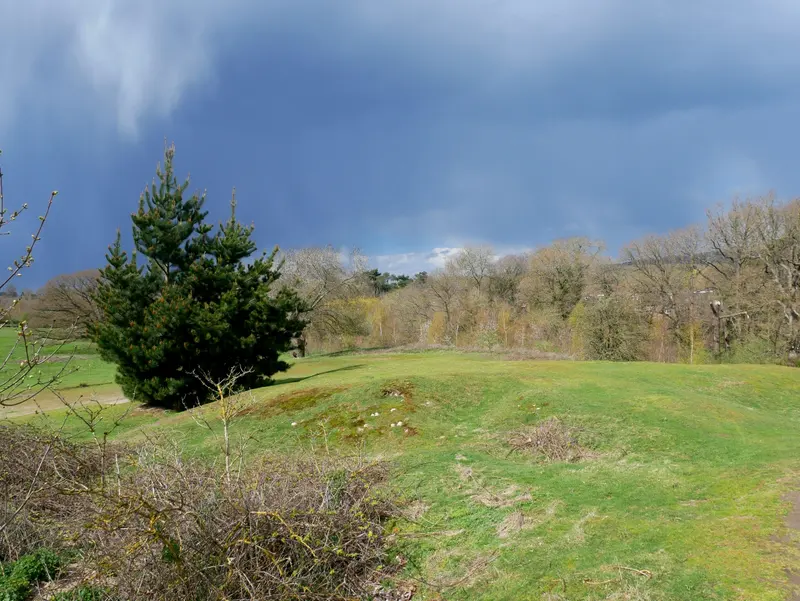
If the visit creates a longer connection with the area, the Bearsted collection offers another way to look at familiar views. Its reference photographs are credited and distinguishable from generated illustrations elsewhere on the site. You can enjoy the journal and collection without needing to make a purchase or fit another destination into the day.
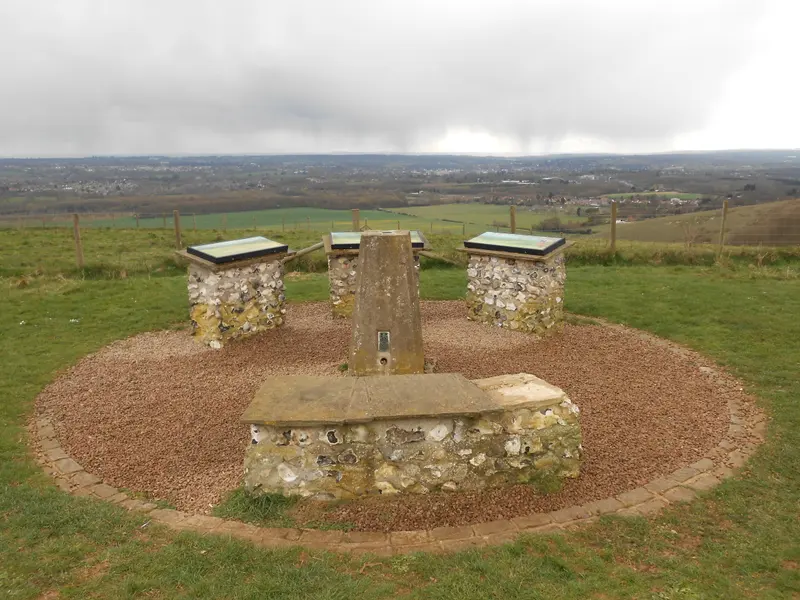
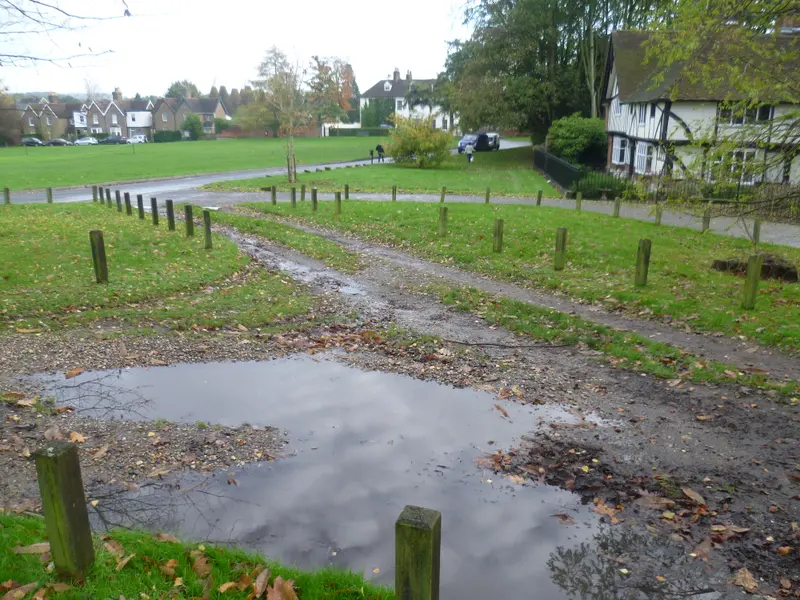
The practical sources for this article are National Rail and Southeastern, linked above. Use them for travel decisions each time you visit. The accompanying village and woodland photographs illustrate the area; they are not evidence of a particular station route, current facilities or an inspected walking itinerary.
A place for your wall.
Explore the collection, then choose a size and finish at your own pace.